Stepping Behind the Viewfinder: How Visual Storytellers Plan Their Off-Time
For professionals accustomed to capturing the real world through a lens, planning personal holidays requires a thoughtful balance between active observation and complete rest.
Shifting Focus From Production to Unstructured Leisure
Documentary filmmakers and field producers spend months navigating complex logistics, strict production schedules, and intense narrative environments. Every day on location demands continuous sensory intake, framing decisions, audio monitoring, and quick reactions to spontaneous events. When production wraps and personal time off begins, visual creators face a unique challenge: turning off the instinct to frame every moment. Planning a holiday becomes an exercise in deliberate decompression, where the goal is to decouple travel from the demands of visual documentation.
Instead of detailed schedules packed with guided tours or dense sightseeing lists, people working in visual storytelling often lean toward minimal itineraries. They choose places that allow for slow exploration, where time is measured by natural light cycles rather than production call sheets. This shift from active director to passive observer enables creators to recharge their creative energy. Stripping away narrative intent allows the mind to absorb surroundings organically, rediscovering the unscripted joy of discovering a place simply for oneself.
The Art of Visual Restraint on Personal Trips
Gear selection is one of the most critical decisions visual storytellers make when preparing for personal travel. On assignment, carrying heavy camera bodies, multiple lenses, tripods, and sound equipment is standard practice. For vacation, intentionally leaving professional equipment behind marks a physical and psychological boundary between labor and leisure. Many creators opt to travel with a single compact camera or rely entirely on memory, forcing a reset in how they engage with their environment.
Travel destinations are frequently chosen for their distinct atmospheric qualities, spatial geometry, or natural light characteristics. Arid desert plains, dense alpine forests, and quiet coastal stretches offer visual simplicity that helps recalibrate saturated senses. On these trips, itinerary planning focuses on spatial freedom and physical movement—such as long walks through quiet rural towns or still evenings in open landscapes. By removing the pressure to produce a finished media project, travelers cultivate an observational discipline rooted in presence rather than capture.
Coastal Horizons and the Rhythm of Open Water
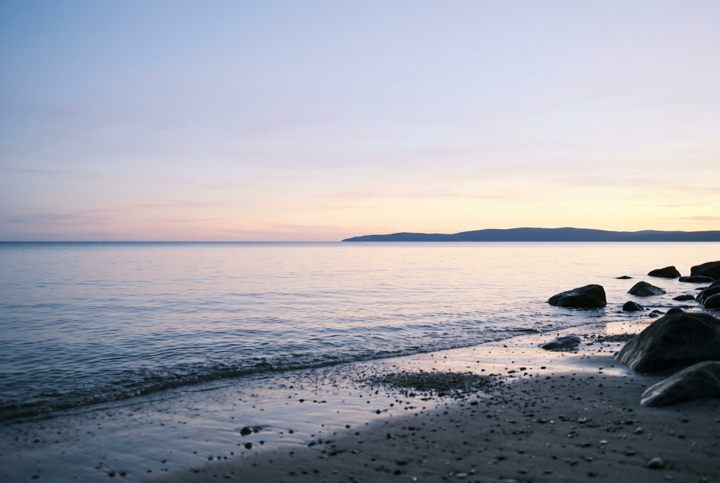
Coastal environments and open water hold a particular appeal for visual artists seeking mental stillness. Broad ocean horizons remove unnecessary visual clutter, providing a clean landscape that contrasts sharply with dense urban edit suites and chaotic filming locations. Being on the water shifts perspective entirely, offering calm surroundings where movement is dictated by wind and tide rather than strict schedules.
Navigating open water near major coastal cities provides a balanced pause between urban exploration and natural calm. In destinations like Dubai, taking to the sea allows travelers to appreciate coastal geography away from busy street traffic and crowded walkways. Readers planning a private excursion near landmarks like the Burj Al Arab can review current yacht rental prices and rates in Dubai through Zuloo Marine here. Choosing a private catamaran managed by a professional captain and crew ensures a seamless day on the water, enabling passengers to focus entirely on relaxation. Ultimately, experiencing a coastline from the deck of a vessel provides visual storytellers with the spaciousness needed to return home fully restored.